

Commercial garden maintenance can look simple on a quote: mowing, edging, weeding and general tidying for a fixed price. The problem is that a low contract price can leave important work outside the agreed scope, and that gap tends to show up in the maintenance bills that follow.
When the agreed scope covers only visible routine tasks, the result is usually more reactive work later, extra charges for excluded tasks, declining plant and garden bed condition, and more time spent by property managers coordinating repairs rather than preventing them.
Bayside Gardening approaches professional gardening services with attention to the full maintenance picture. Keep reading, as we’re going to explore how cheap commercial gardening contracts cost later.
Focus: Understanding why a low cost commercial garden maintenance contract can become expensive over time.
Key Considerations: Service scope, visit frequency, exclusions, seasonal work and plant health.
Professional Insight: Bayside Gardening approaches professional gardening and horticulture with attention to the property’s ongoing maintenance requirements.
Outcome: Comparing the complete scope of work helps property managers assess the real cost before signing a contract.
What Does a Low Cost Contract Leave Out?
A low-priced contract becomes expensive when the quoted service covers only visible routine tasks. Mowing and basic tidying may be included, while pruning, fertilising, irrigation checks, pest management, mulching or larger garden clean up work sits outside the regular agreement.
A useful contract should clearly state:
| Contract area | What should be clear |
|---|---|
|
Visit frequency |
Weekly, fortnightly or monthly visits. |
|
Routine tasks |
Mowing, edging, weeding and general garden care. |
|
Plant care |
Pruning, fertilising and plant health checks. |
|
Irrigation |
Inspection, maintenance responsibilities and repair exclusions. |
|
Seasonal work |
What happens during periods of increased growth or seasonal change. |
|
Waste |
Whether green waste removal is included. |
|
Extra work |
How additional tasks will be quoted and approved. |
The cheapest contract may simply have fewer tasks inside the fixed price. A lower number on the quote does not represent a lower maintenance cost when the excluded work still needs to happen.
Manage Your Property Garden With Confidence
How Deferred Maintenance Compounds Into Larger Costs
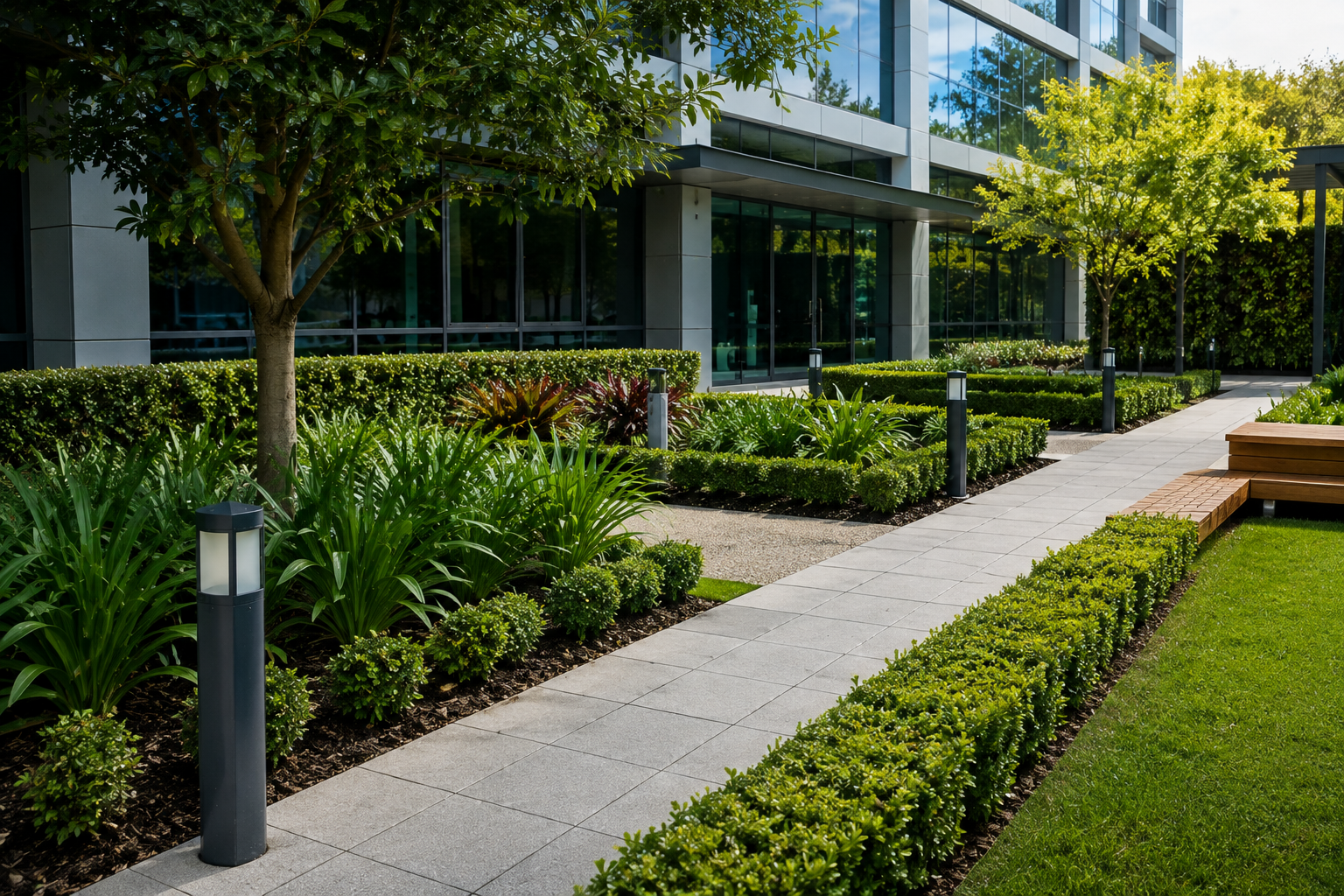
Missed maintenance creates a larger job later. Weeds establish, plants become overgrown, garden beds lose their condition and irrigation issues go unnoticed until they cause visible damage.
The cost progression follows a consistent pattern: missed maintenance leads to deterioration, which requires corrective work, which generates additional cost that the original contract never accounted for.
This is particularly relevant to commercial properties where gardens form part of the visible environment for customers, staff, visitors or tenants. A well-maintained garden signals attention to detail. A neglected one signals the opposite, regardless of what the maintenance contract says.
Plant selection, plant health inspections, irrigation inspections, seasonal pruning, weed control, mulching, soil testing, fertilisation, integrated pest management and microclimate considerations are all part of a complete maintenance approach. A contract that omits most of these does not become cheap because of that omission. It transfers the cost to corrective work later.
The comparison that matters is between the work being delivered, not the contract price alone.
What Property Managers Should Verify Before Signing
Property managers should compare the complete maintenance scope, visit frequency and likely additional work before accepting any quote. A local garden maintenance provider should be assessed against the property’s actual requirements, including its planting, lawn areas, irrigation and seasonal demands.
Key Areas to Clarify Before Accepting a Quote
- Confirm which tasks are completed during every visit.
- Clarify who is responsible for checking irrigation systems.
- Confirm whether green waste removal is included.
- Check how extra works are assessed and approved.
- Establish which tasks are seasonal and how they are scheduled.
- Verify whether pruning and fertilising are included in the base price.
- Understand the process when plants show signs of pests or disease.
- Identify which jobs attract additional charges and how those are communicated.
- Ask how often the maintenance schedule is reviewed against actual site conditions.
This comparison can expose a significant difference between two apparently similar contracts. One may include ongoing horticultural care. The other may focus mainly on presentation, with everything else treated as additional work.
Visit frequency should also reflect the actual workload of the property. A fixed low frequency loses its value quickly during periods of rapid plant or lawn growth, when the site needs more attention than the schedule provides.
When a Cheap Contract Crosses Into Poor Value
A cheap contract becomes poor value when essential work repeatedly falls outside the agreed service. A property may receive regular mowing while pruning, fertilising, irrigation attention or larger garden clean up work is treated as separate, additional expense.
The real cost calculation shifts:
Contract price plus additional work plus corrective maintenance equals the actual maintenance cost.
When that total is compared against a more complete contract from the start, the apparent saving at the quoting stage often disappears.
Selecting a garden maintenance provider also warrants checking experience, insurance, technical knowledge, communication practices, equipment and safety standards. A contractor who understands plants, soil and seasonal cycles delivers different results from one who manages only presentation.
Low Price Focus vs. Better Comparison
| Low price focus | Better comparison |
|---|---|
|
Monthly fee. |
Total scope of work. |
|
Number of visits. |
Suitability of visit frequency. |
|
Basic presentation. |
Ongoing plant and garden health. |
|
Cheapest quote. |
Clear inclusions and exclusions. |
|
Reactive jobs. |
Planned seasonal maintenance. |
How Planning Reduces Unexpected Gardening Costs
A clear maintenance plan reduces uncertainty. Property managers know which tasks are routine, which are seasonal and which require separate approval. That clarity prevents the accumulation of unexpected invoices.
Soft landscape design considerations influence ongoing maintenance workload from the beginning. Plant selection, microclimate, irrigation requirements and seasonal growth patterns all affect how much care an outdoor area needs over time.
A property with well-chosen plants in suitable conditions requires less corrective intervention than one where plant selection and site conditions work against each other.
This is why the initial assessment matters. A contractor who considers the existing garden, its irrigation, its microclimate and its seasonal behaviour before setting a maintenance schedule will produce a more accurate and stable contract than one applying the same programme to every site.
What Does a Commercial Gardening Contract Should Cover?
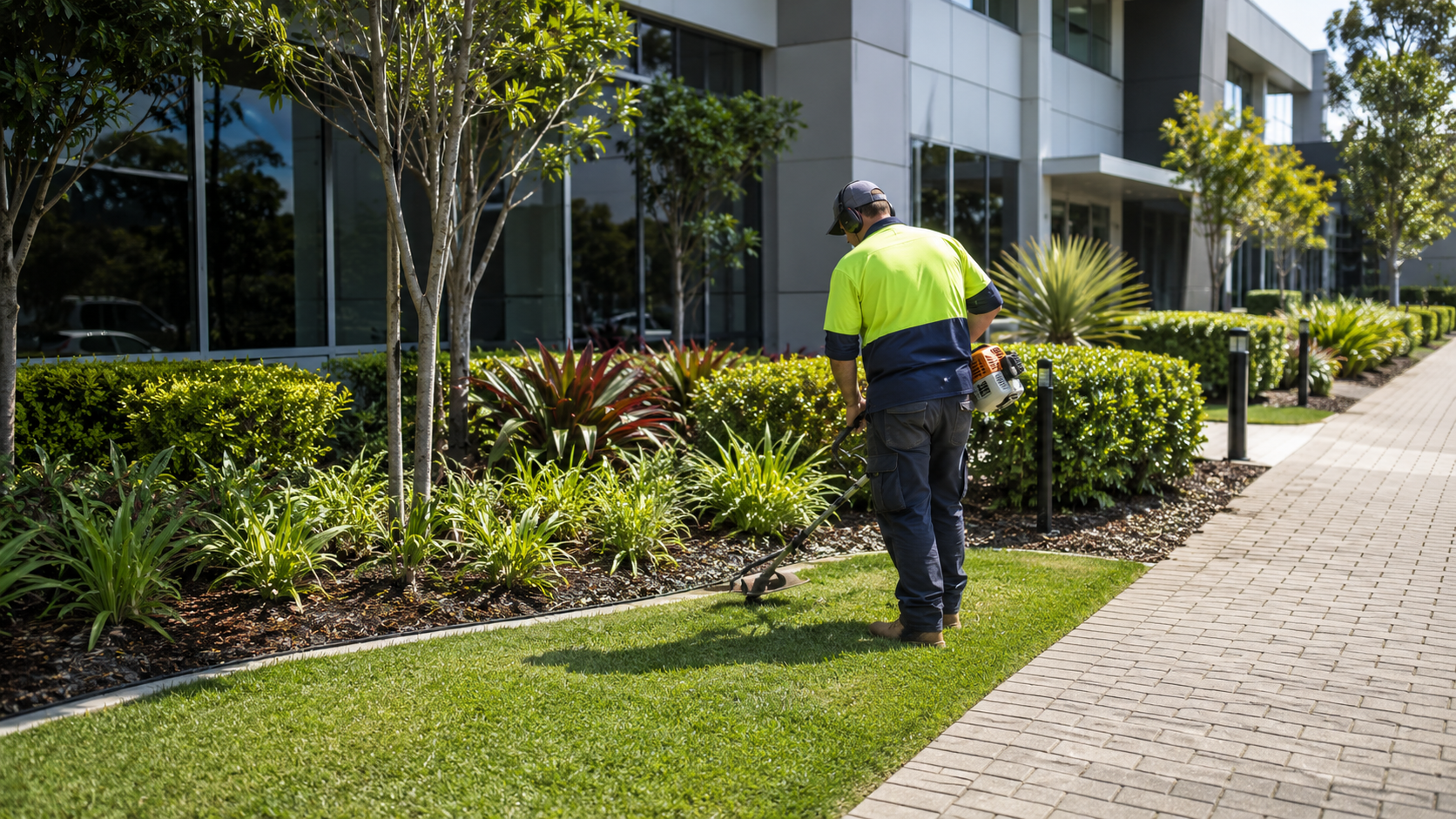
A well-structured contract gives both parties a clear understanding of the expected work from the start. It should cover routine maintenance, seasonal requirements, exclusions, additional work and communication arrangements without leaving significant gaps for interpretation.
Before signing, verify that the contract addresses:
- Scope: Exactly what routine maintenance includes at each visit.
- Frequency: How often the team attends the property and what triggers a change.
- Seasonal work: Which tasks occur at different times of the year and how they are scheduled.
- Additional work: How unexpected jobs are assessed, communicated and approved.
- Site requirements: Access, safety considerations and areas requiring special care.
- Reporting: How completed work, identified problems and recommendations are communicated.
This level of clarity prevents a low headline price from generating a series of unexpected invoices across the year.
Get A Clearer Gardening Maintenance Plan
Conclusion
Managing garden maintenance for commercial settings costs starts with comparing contracts on scope, frequency and long-term site requirements rather than selecting the lowest headline price.
A lower quote is not automatically a problem. It becomes one when important maintenance is excluded, delayed or charged separately in ways that were not clear at the signing stage. Reviewing the full contract before committing helps property managers, businesses and body corporates understand what they are actually purchasing.
Bayside Gardening provides gardening services for residential, commercial and body corporate properties, with plant care, seasonal requirements, irrigation, soil health and ongoing maintenance built into the approach rather than added as extras.
FAQs
Can a cheap gardening contract still be suitable?
Yes, if the scope genuinely matches the property’s maintenance requirements. A lower price is not automatically a problem. Check visit frequency, including tasks, seasonal work, exclusions and additional charges before deciding whether the contract provides suitable value for the site.
It depends on the agreement. Seasonal pruning, fertilising, mulching and other work can be included within a maintenance programme or handled separately. The important point is to document how seasonal tasks are managed so there is no uncertainty when they become necessary.
How can a body corporate compare commercial gardening quotes?
Compare equivalent scopes of work. Review visit frequency, garden areas covered, plant care, irrigation responsibilities, waste removal, seasonal services, exclusions and additional charges. This makes it possible to compare the actual service being delivered rather than the price tag alone.
Why does irrigation matter when comparing gardening contracts?
Irrigation directly affects plant health and ongoing maintenance requirements. A contract should make clear whether irrigation systems receive routine inspections, who handles faults and whether repairs are charged separately. Without that clarification, a low maintenance fee can leave important irrigation work unresolved until visible damage makes it unavoidable.