
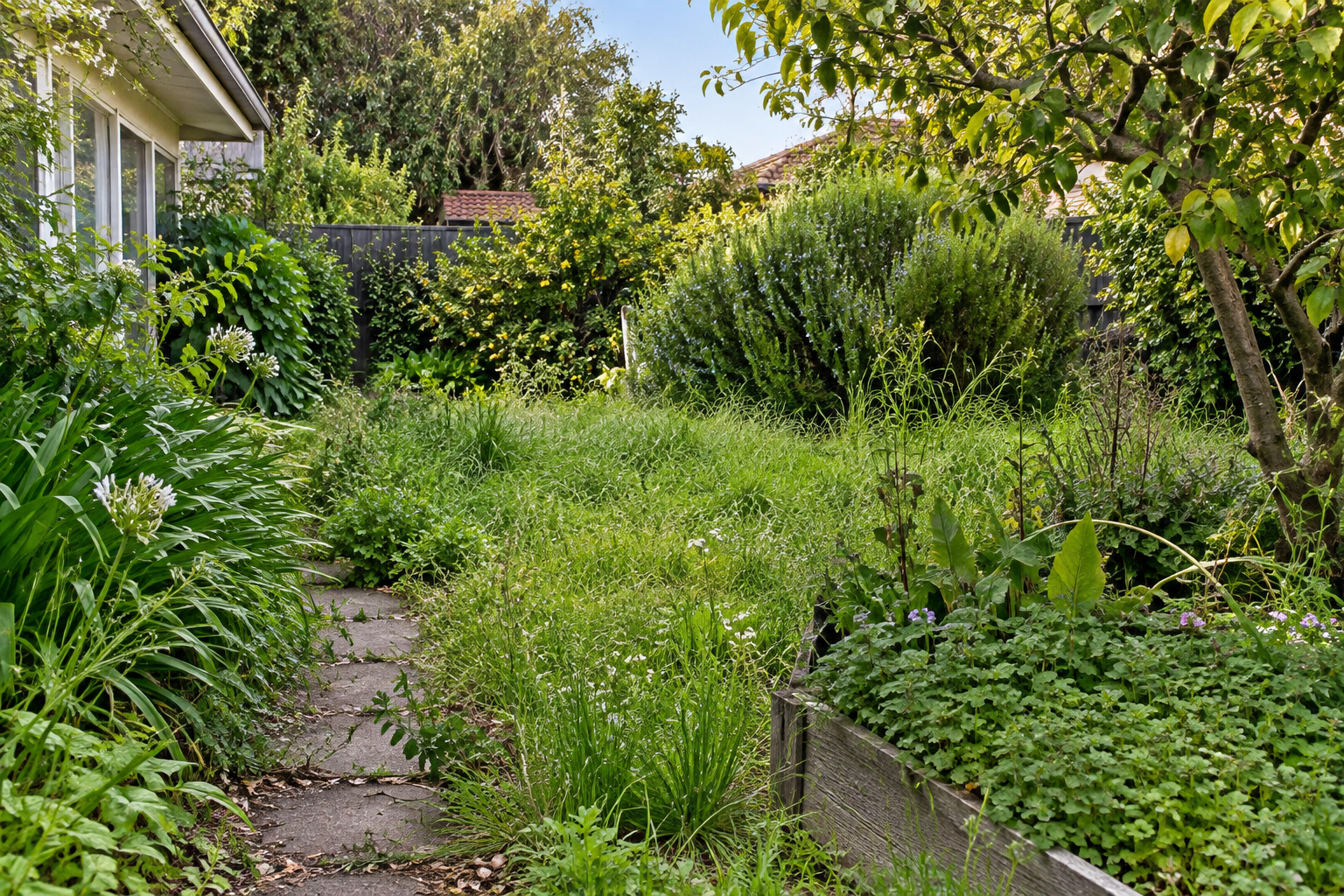
An overgrown garden can make a well established yard look neglected very quickly. Weeds take over beds, shrubs become difficult to access, paths disappear and healthy plants can get buried beneath uncontrolled growth.
Before you reach for the idea of clearing everything, look at what the garden already gives you:
- Mature plants may still be healthy.
- Existing garden beds may only need reshaping.
- Irrigation problems can often be repaired.
- Selective removal can create space for better planting.
Bayside Gardening explains how a thorough horticultural care starts with looking at what is already there. This helps Melbourne homeowners bring an overgrown yard back into shape while keeping the plants and features that still have value.
Starting Point: Stage Clear weeds, debris and obstructive vegetation in manageable sections.
Plant Care: Don’t cut everything heavily, prune according to plant type and condition.
Practical Approach: Bayside Gardening offers a combination of gardening services and horticultural plant care when a garden is established and requires staged attention.
Long Term: Planted
1. How Do You Decide What to Keep in an Overgrown Garden?
Start by identifying healthy plants before removing vegetation. An established garden can contain mature shrubs, trees and groundcovers that would take years to replace, so clearing should begin with selection rather than wholesale removal.
Look at each plant’s:
- Overall health.
- Position and available space.
- Relationship with nearby plants.
- Amount of dead or damaged growth.
- Suitability for the available light and moisture.
A simple keep, prune or remove test:
| Question | Why it matters |
|---|---|
| Who will use each space? | Determines access, layout and amenity. |
| When will they use it? | Helps identify servicing and movement requirements. |
| How will users enter and leave? | Prevents conflicts between pedestrians, vehicles and servicing. |
| Can uses operate independently? | Important for leasing and building management. |
| Can the layout change later? | Protects future adaptability. |
| What does council require? | Planning controls can materially influence the development concept. |
This first decision prevents a common mistake: removing valuable mature planting simply because it has become hidden by weeds or unchecked growth.
Reclaim Your Overgrown Garden With Confidence
2. What Is the Right Way to Clear an Overgrown Yard?
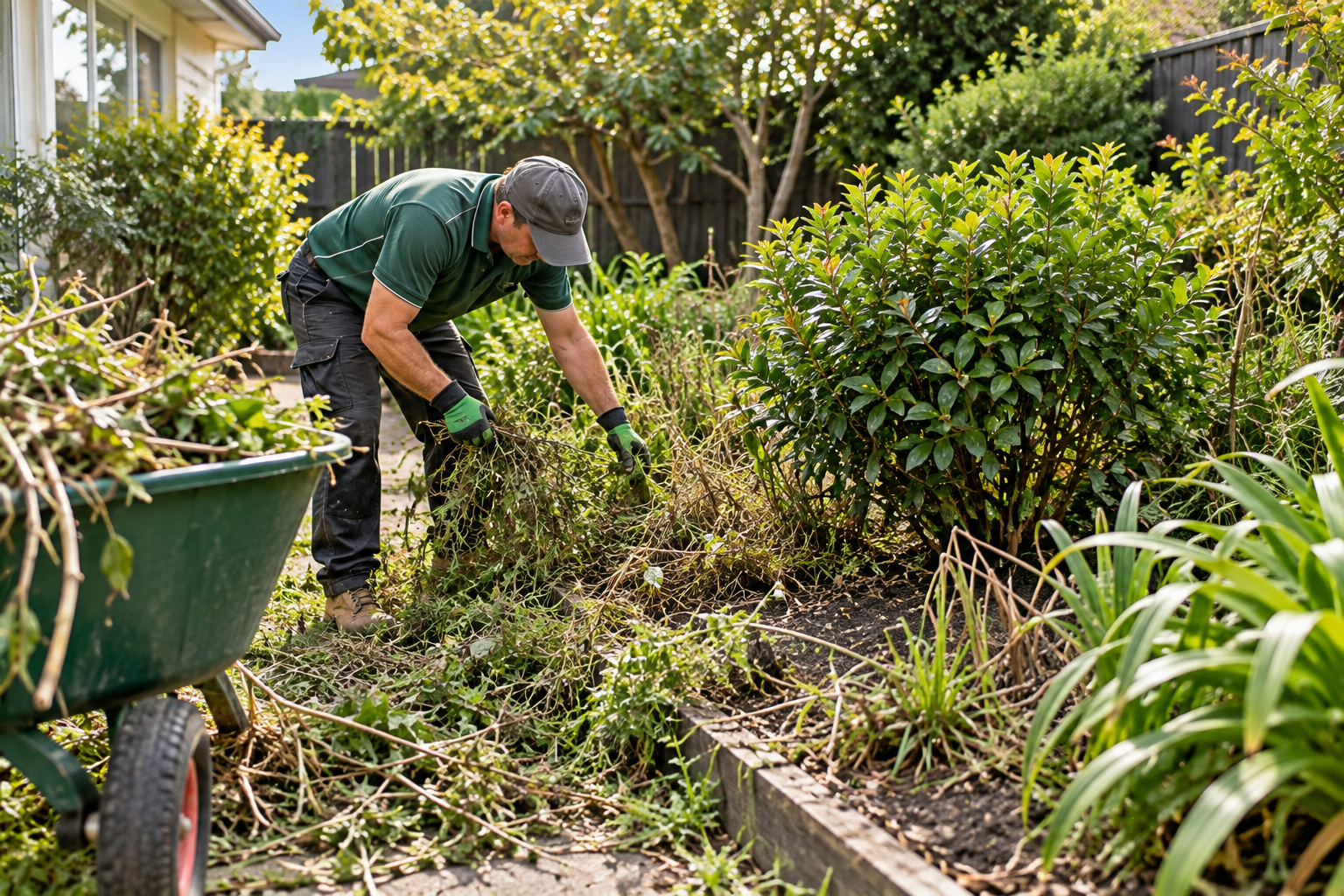
Clear the garden in stages. Start with access and visibility. If you remove everything at once, you create unnecessary waste and disturb plants that might recover once the competing growth is gone.
A sensible working order looks like this:
- Open access: Clear routes, entrances and working areas.
- Remove waste: Take out fallen branches, litter and dead material.
- Control weeds: Pull them out gently, especially around plants you want to keep.
- Expose planting: Cut back growth that is hiding the original structure of the garden.
- Separate green waste: Where appropriate, keep reusable organic material separate from general waste.
A thorough garden clean up should make the property easier to inspect and work on. It should not merely give a temporary neat look.
3. Which Hidden Problems Should You Check Once the Garden Is Clear?
After you have cleared the excess growth, look at parts of the garden that are usually difficult to see. In heavy vegetation drainage, compacted soil, irrigation and plant health problems can be missed.
Before adding any new plants, inspect these areas:
- Drainage: Look for places where water stands after a rain or after you water.
- Timing matters: Adding fertiliser or new plants before identifying an underlying drainage or watering problem can simply create more work later.
4. How Can You Improve the Garden Without Starting Again?
Retain the garden’s useful framework and introduce changes selectively. Once unwanted growth has been removed, gaps and overcrowded areas become easier to identify.
This is where soft landscape design can help when new planting is required. Instead of treating the entire property as a blank canvas, consider how new plants can work with established trees, shrubs and existing beds.Plan for replacement planting around site:
| Consideration | Why this matters |
|---|---|
| Exposure to the sun | Choose the right plants. |
| Soil conditions | Factors affecting establishment and growth |
| Available moisture | Helps you match plants to watering conditions |
| Mature plant height | Avoids overcrowding in the future |
| Seasonal interest | Helps keep colour and structure all year round |
Melbourne gardens may include Australian natives and exotic species which may have different care requirements. Selective replacement also means you can improve problem areas without throwing away the character of an established garden.
5. How Do You Stop the Garden From Becoming Overgrown Again?
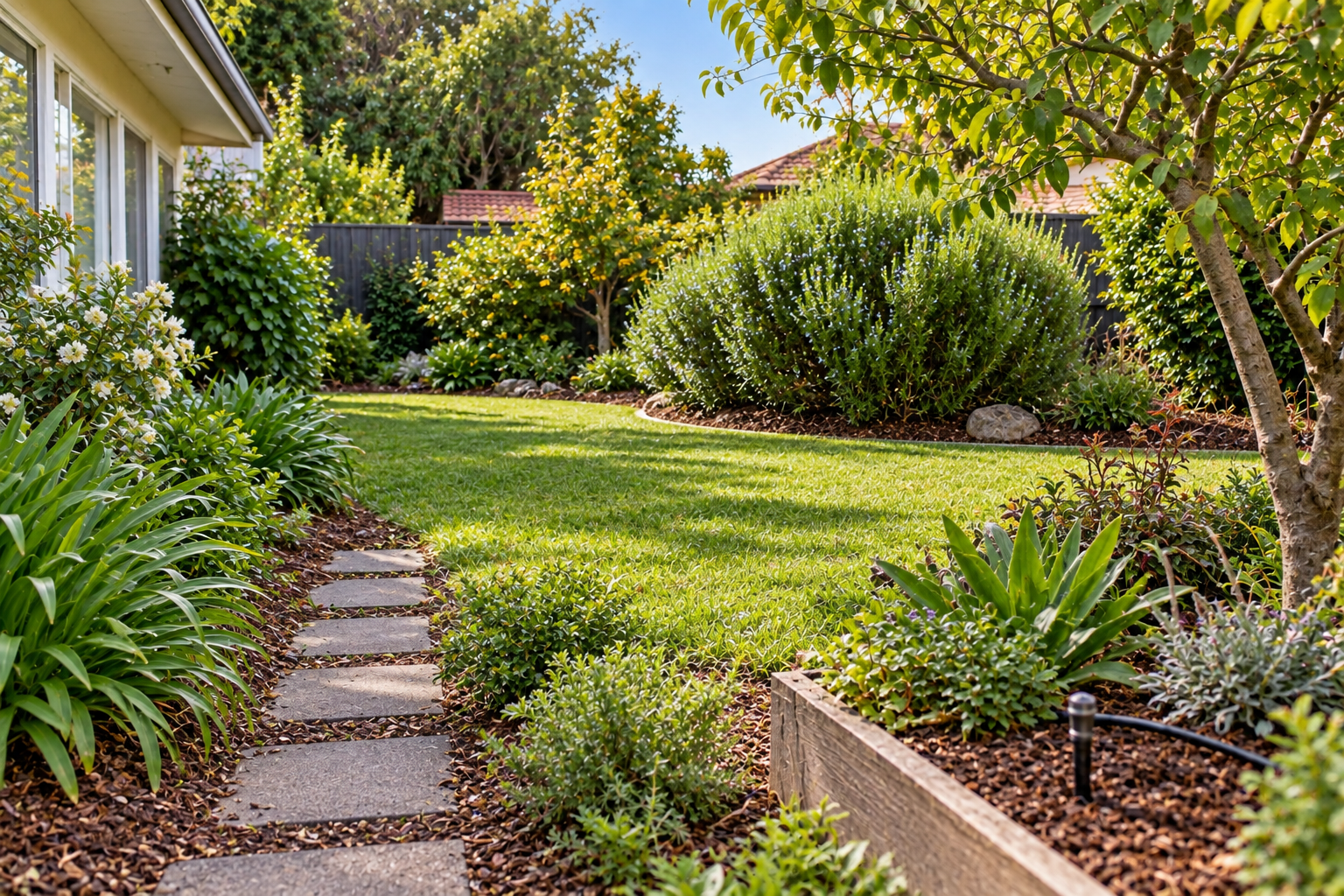
Set a maintenance routine around the garden’s actual growth rate and seasonal demands. A major clean-up becomes much harder when pruning, weed control and plant health checks are left until vegetation becomes unmanageable again.
A practical maintenance plan can include:
- Seasonal pruning.
- Weed control.
- Lawn care.
- Mulching.
- Plant health inspections.
- Irrigation checks.
- Soil and fertiliser management where required.
Bayside Gardening’s existing maintenance material notes that properties may suit weekly, fortnightly or monthly servicing depending on their needs and seasonal conditions.
For homeowners who struggle to keep up with recurring work, professional garden maintenance can turn the initial clean-up into a manageable ongoing routine.
The key is consistency. Small pruning, weed and irrigation issues are considerably easier to address during routine visits than after several months of unchecked growth.
Create A More Manageable Garden Long Term
Conclusion
Reclaiming an overgrown Bayside garden does not have to mean removing everything and starting again. A considered process can preserve established plants, improve problem areas and create a more manageable yard.
Bayside Gardening brings horticultural knowledge and practical maintenance experience to Melbourne gardens, from initial gardening and horticulture work through to regular care. If your yard has become difficult to manage, getting the right assessment can help you decide what to retain, change and maintain. Get in touch to discuss your garden.
FAQs
When is the best time to tackle an overgrown garden?
The right timing depends on the plants involved. Some deciduous plants tolerate winter pruning, while other species require different treatment. Check the plants individually before undertaking major cutting, particularly when flowering or fruiting plants are present.
Should overgrown lawn be treated differently to garden beds?
Yes. Lawn recovery may involve changes to mowing habits, aeration, overseeding or spot treatment, and garden beds need attention for weeds, shrubs, soil and planting density. If you do both areas the same way, you can get uneven results.
How can I tell whether a shrub is worth saving?
Look past what it looks like now. Look at the health of the stems, any new growth, structural stability and if it’s the right plant for the location. A shrub hidden under weeds may recover well when the weeds are pulled away and the shrub is pruned correctly.
What should happen to green waste after a major clean-up?
Separate green waste from general rubbish where possible and dispose of it through your local waste service. Depending on its condition and whether it contains weeds, pests or diseased plant material, organic material may be suitable for composting or mulching.