
Your plants keep failing. You have tried everything. What if the problem is under your feet?
- Hard soil keeps roots from going deep down.
- Rain leaves puddles that stay for days.
- Your ground is filled with dead leaves.
- Strong fertilisers cannot fix weak dirt.
Bayside Gardening has been providing professional gardening services in Melbourne for homes and businesses. In this guide, we’ll learn how aeration assists in promoting healthier plant growth and the role compost plays in soil structure and biology.
Winter soil renovation improves drainage and root growth before spring. Aeration breaks up compacted ground. Compost adds organic matter. Experts like Bayside Gardening, through professional gardening services in Melbourne, focus on regular plant care, including winter soil preparation.
Why Is Winter The Best Time For Soil Renovation?
Winter works well for soil improvement. Why? Because your plants are not growing actively.
Cool temperatures break down organic matter slowly.
Winter rain pushes nutrients deeper into the ground. Many gardens show their worst problems in winter. Waterlogged areas become easy to spot. Fix them now before spring growth starts.
Properties with regular garden maintenance in Melbourne benefit from winter work. Plants are less active. Accessing garden beds becomes much easier too.
Improve Soil Health With Expert Winter Garden Care
What Does Soil Aeration Actually Do?
Aeration helps air, water, and nutrients move through your soil. That is its main job.
Foot traffic compacts soil over time. Lawn equipment makes it worse. Construction activity also adds to the problem. Hard soil stops roots from getting oxygen. Weak growth and poor health follow.
Common aeration methods include:
- Garden fork aeration for smaller beds.
- Core aeration for established lawns.
- Deep aeration for heavily compacted areas.
Avoid aerating wet soil. It smears and compacts further. Wait until the ground is moist but not muddy. Properties that need lawn mowing in Bayside often benefit from core aeration. Regular traffic compresses lawn roots. Aeration helps reverse that damage.

How Does Compost Improve Soil Health?
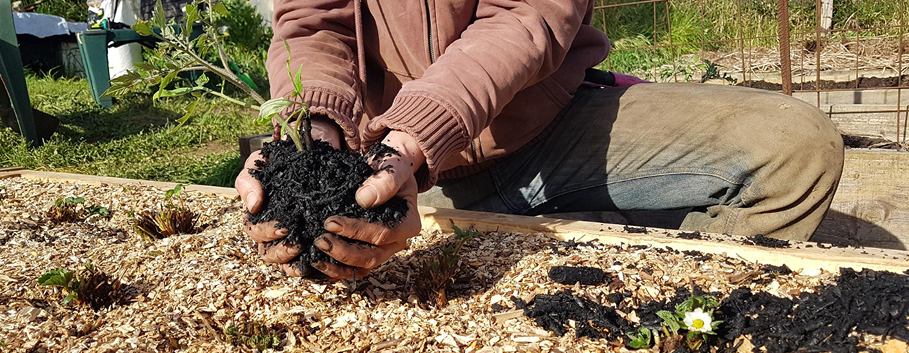
Compost fixes two things. Soil structure and soil biology. Clay soils drain better with compost. Sandy soils hold more moisture too. Compost also feeds helpful microorganisms. These organisms support roots and nutrient cycling.
Quality compost provides:
- Organic matter.
- Improved moisture retention.
- Better soil structure.
- Slow-release nutrients.
- Increased microbial activity.
Timing matters more than most gardeners realise. Apply compost right after aeration so the holes let organic matter reach the root zone directly. This approach works much better than spreading compost on the surface alone.
What Is The Best Process For Winter Soil Renovation?
Good renovation combines aeration, compost, and protection. Here is how to do it.
- First check drainage and compaction.
- Apply mulch to protect bare soil.
- Monitor moisture throughout the season.
- Have your soil tested for possible problems.
- Aerate compacted areas with the proper method.
- Apply proper compost evenly to the surface.
Drainage problems need attention before you add any fertiliser. When water cannot move through the soil, roots cannot reach nutrients either. No fertiliser will work under those conditions.
Properties with irrigation system installations should inspect their systems during winter. Look for dry spots or areas that stay too wet, then fix those issues before spring growth begins.
What Mistakes Should Property Owners Avoid?
The biggest mistake is ignoring soil and treating plant symptoms. Many garden problems begin underground.
- Compaction stops root growth.
- Poor drainage causes weak plants.
- Low organic matter leaves soil empty.
- Fixing soil solves what fertiliser cannot.
Other common mistakes include:
- Aerating waterlogged soil.
- Use fresh manure rather than compost.
- Too much digging and harming soil life.
- Treatments added without trial first.
- Presence of too many leaves that block airflow.
This creates a perfect environment for fungus. Start off your renovation with garden cleanup services. This reveals problem areas and makes aeration and composting easier too.
Create A More Resilient And Productive Garden Space
Conclusion
Winter soil renovation is a great foundation for your garden. Aeration promotes root growth in compacted soil. Compost supports soil biology and moisture management. Together, these two approaches fix common problems in the Australian garden.
Bayside Gardening knows local conditions that affect gardening services in Melbourne. Do you have compacted soil or drainage problems? A winter plan can make a real difference. Contact our team for advice that fits your property.
FAQs
How often should soil aeration be carried out in Melbourne gardens?
Most home gardens need aeration every one to two years. Gardens with heavy foot traffic may need it more often. Clay soils also require more frequent attention.
Can compost replace fertiliser during winter?
Compost improves soil and provides slow-release nutrients. But it may not fully replace fertiliser for every plant. A soil test tells you what is missing.
Is winter soil renovation suitable for native Australian plants?
Yes, most natives like better drainage and healthier soil. But choose compost carefully. Some Australian natives cannot handle high phosphorus levels.
How long does it take to see results after aeration and composting?
Better drainage shows within weeks. Soil biology improvements take several months. Organic matter breaks down slowly over time.