

Gardens thrive when you take care of them on a regular basis throughout the year. Ignoring garden maintenance can turn small problems into big ones that hurt the soil, plants, irrigation systems, and the overall structure of the garden.
Many property owners put off regular work and then will later end up struggling with problems like nutrient-deficient soil, pest outbreaks, and stressed plants. At Bayside Gardening, we have been a trusted name for professional garden maintenance. We regularly deal with issues that arise when seasonal care is missed. In this blog, we’ll talk about what happens when gardens miss the seasonal care they need.
Problems Caused by Skipping Seasonal Garden Maintenance
1. Soil Health Starts Declining
The soil is what makes a garden healthy. Missing our regular garden maintenance will result in soil slowly losing its balance of nutrients and organic matter.
Typical problems include the following:
- Depletion of potassium, phosphorus, and nitrogen.
- Soil compaction reducing oxygen for roots.
- pH imbalance that impacts the absorption of nutrients.
- Reduced microbial activity.
Composting additions, seasonal soil testing, and fertilising schedules are important parts of gardening and maintenance services since they help the soil’s biological activity come back to life.
Plants exhibit obvious symptoms like yellowing leaves, weak root systems, and poor flowering when these steps are neglected.
2. Plant Structure Weakens Without Pruning
Pruning isn’t just for looks. It is very important for the health of plants.
When professional garden maintenance is skipped, common issues appear:
- Deadwood accumulation.
- Dense foliage blocking sunlight.
- Crossing branches damaging plant tissue.
Fungal diseases thrive in these conditions because they limit airflow around plants and raise humidity levels.
For many plants, seasonal pruning enhances airflow and promotes stronger spring growth, especially during winter dormancy.
Without it, gardens frequently develop overgrowth and structural instability.
Prevent Costly Garden Problems Before They Start
3. Pest and Disease Problems Escalate
Finding pests early is an important part of garden maintenance. Neglected gardens frequently encounter rapid outbreaks, but small infestations are simple to control when discovered early.
Common problems include:
- Aphids on blooming plants.
- Scale insects on decorative bushes.
- Powdery mildew during humid periods.
- Poorly drained soil can cause root rot.
Professional teams typically use integrated pest management techniques that emphasise early control and monitoring.
Without this monitoring, pests spread quickly and plants weaken across entire garden beds.
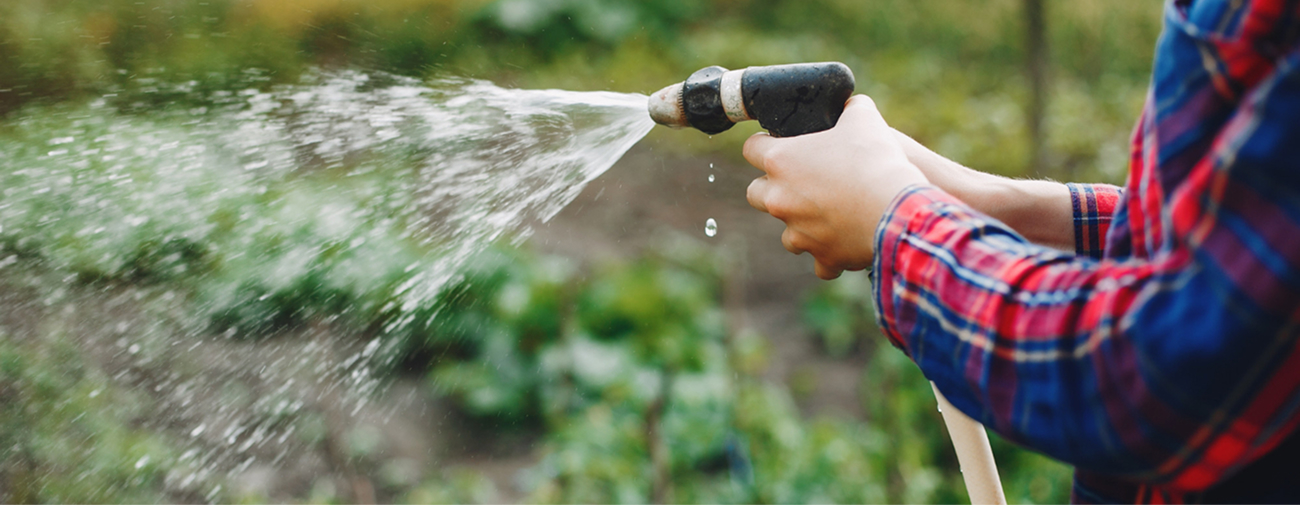
4. Water Stress and Irrigation Failures
Water management is another critical part of gardening and maintenance services. Seasonal checks often identify irrigation issues before plants show signs of stress.
When systems are neglected, common problems include:
- Blocked irrigation lines.
- Broken sprinkler heads.
- Poor watering schedules.
In Melbourne’s warmer months, shallow watering and poor irrigation can lead to severe heat stress.
Deep watering encourages stronger root systems and helps lawns and plants tolerate summer temperatures more effectively.
This is where experienced garden irrigation specialists can help adjust systems and maintain efficient watering.
5. Weeds Take Control of the Garden
Neglected gardens often experience rapid weed growth.
Without seasonal garden maintenance, weeds quickly establish themselves and compete with plants for nutrients and water.
Over time, invasive weeds dominate garden beds and lawns. Removing them later often requires:
- Herbicide treatment.
- Soil restoration.
- Replanting damaged areas.
Regular maintenance also prevents the need for major landscaping cleanup projects caused by prolonged neglect.
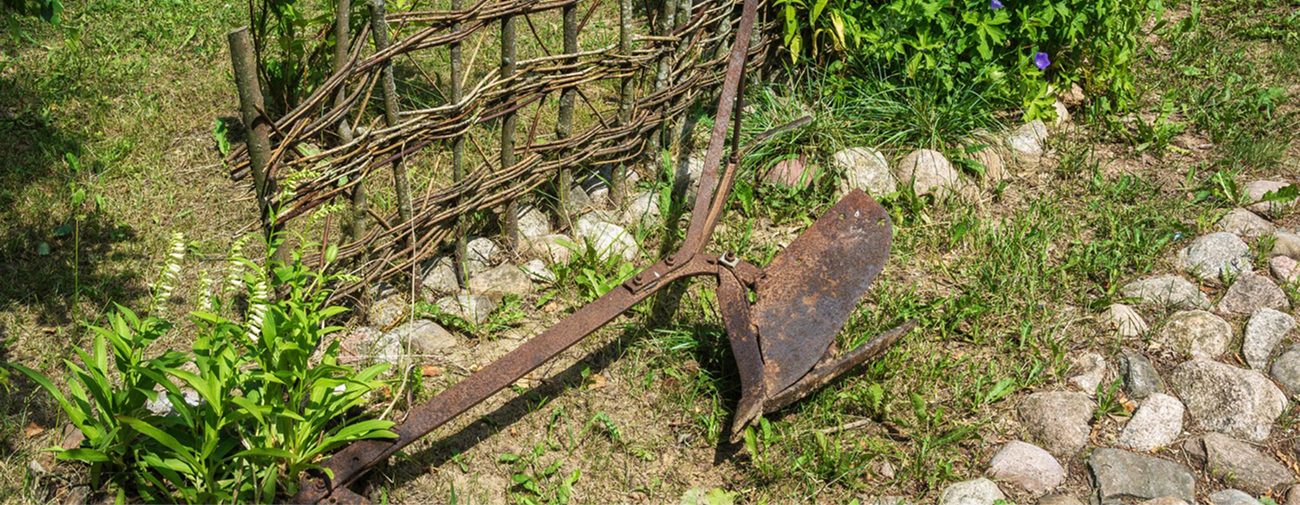
6. Safety and Property Risks Increase
Garden neglect also creates safety risks.
Overgrown vegetation can:
- Block pathways.
- Damage fences and structures.
- Drop weak branches during storms.
Regular professional garden maintenance helps keep gardens safe and well structured, particularly for commercial and strata properties where outdoor spaces must remain accessible and presentable.
Keep Your Garden Healthy Through Every Season
Conclusion
Skipping seasonal garden maintenance slowly damages soil health, plant structure, irrigation systems, and overall garden stability. What starts as minor neglect often turns into costly restoration work later.
With years of experience delivering garden maintenance in Melbourne, the Bayside Gardening team understands how seasonal care keeps gardens healthy year-round. Our professional garden maintenance programmes help detect issues early and protect the long-term health of your outdoor space.
If your garden needs attention, our team provides reliable gardening and maintenance services tailored to Melbourne conditions. Get in touch with us today and keep your garden performing at its best.
FAQs
What is the most common mistake of first-time gardeners?
One of the most common mistakes beginners make is skipping regular garden maintenance. Many first-time gardeners focus only on planting but overlook soil care, pruning, watering schedules, and pest monitoring. Consistent professional garden maintenance helps plants establish strong roots and prevents small problems from becoming major garden issues.
How often should professional garden maintenance be scheduled?
Most properties benefit from professional garden maintenance every two to four weeks. Regular visits allow gardeners to monitor plant health, manage weeds, adjust irrigation, and complete seasonal tasks before small problems turn into expensive repairs.
What services are included in gardening and maintenance services?
Typical gardening and maintenance services include pruning, fertilising, weed control, soil testing, irrigation inspections, pest monitoring, and seasonal planting. These services work together to maintain plant health, soil quality, and overall garden appearance.
When should irrigation systems be inspected?
Irrigation systems should be checked at least twice a year, especially before summer. Garden irrigation specialists inspect sprinklers, drippers, and watering schedules to make sure plants receive the right amount of water and avoid stress during hot weather.